
Physics Education Research
Physics Education Research (PER) is the study of how people learn physics and how to improve the quality of physics education, typically in higher education. Researchers use the tools and methods of physics to answer questions about learning that require knowledge of physics, with a focus on objectively measuring the outcomes of educational interventions.
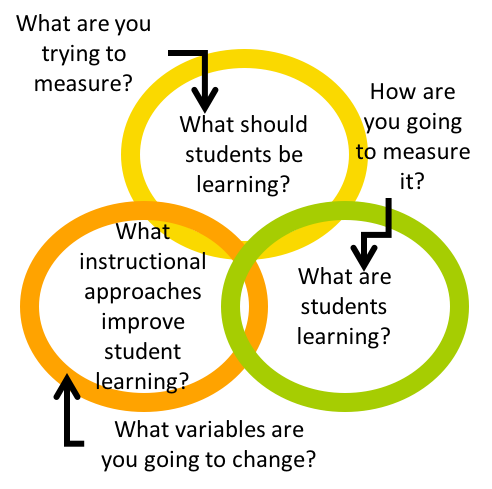
A major focus of the Cornell Physics Education Research Lab is studying and improving learning outcomes in lab courses. Researchers collect data to evaluate the efficacy of lab courses in achieving various goals which include reinforcing physics concepts, fostering student attitudes and motivation, and developing critical thinking and experimentation skills. They design innovative teaching methods to harness the unique learning opportunities of lab courses, namely, working with messy data, getting hands-on practice with equipment, troubleshooting apparatus, and connecting physical models to real world data. Methodologically, they evaluate how analysis procedures in physics can be applied to education data: this has included network analysis, information theory, machine learning, natural language processing, and computer vision.
Past projects have explored the role of virtual reality in student learning, student engagement with lab mates during lab group work; development and evolution of networks of student interactions and recognition; and the impacts of different active learning strategies on student learning.